Skip to content
75 results
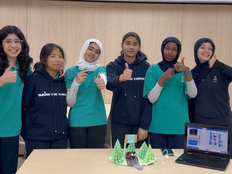
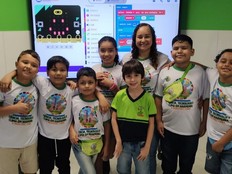
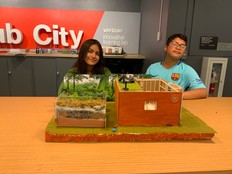
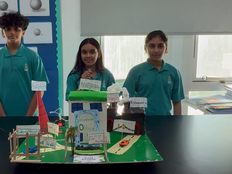
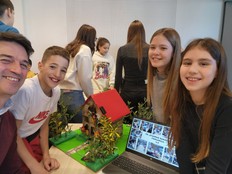
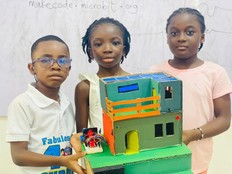
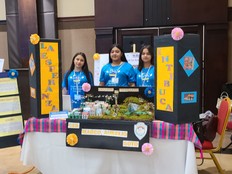
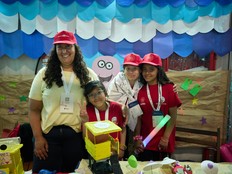
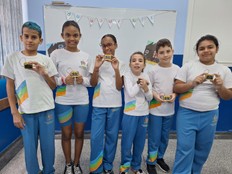
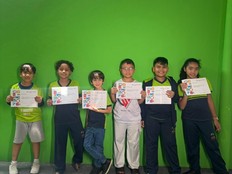
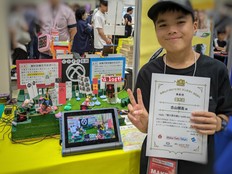
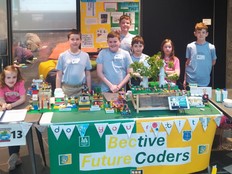
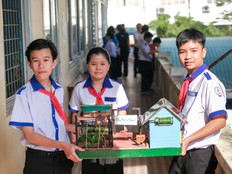
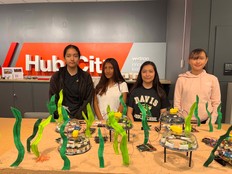
Students pose with the Green Garden prototype.

Our project helped us learn more about the micro:bit board. We also learned how to work well together as a team. At the same time, we hope to help save electricity and protect the environment.

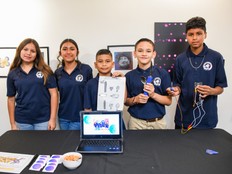
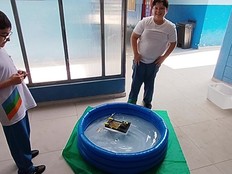
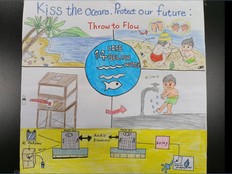
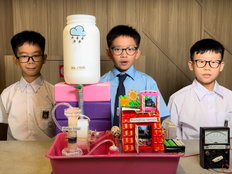
Student presents the River Buddies prototype

This project utilizes the micro:bit to sense water temperature and level to activate a pump to drain water into a catchment area.

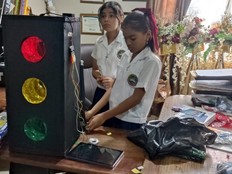
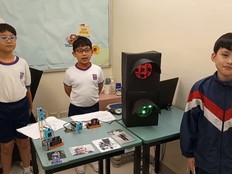
Students presenting the Smart Traffic Light Project

A smart traffic light project built with the micro:bit to increase safe crossing times for individuals with disabilities.

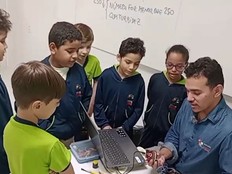
Students working on the welcome light project.

Welcome Light

Montenegro

A micro:bit project that turns on a light when a door is opened.

Students present the accessible swing prototype.

This project utilizes a micro:bit to automate a swinging motion on an accesible swing.

Student poses with the Micro Mini Submarine prototype.

A micro:bit powered project that aims to recover small objects and assist in monitoring endangered marine life

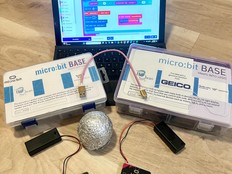
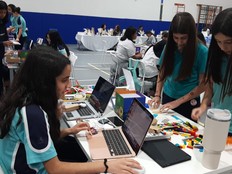
Image shows a computer with project code and two micro:bits.

MeteorScope

United States

MeteoroScope is a kid-friendly meteorite detection device that uses vibration, sound, and motion sensors to identify possible meteorite impacts. It sends instant alerts to scientists, helping space explorers detect and learn about meteorites from their surroundings.

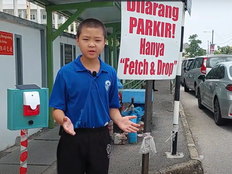
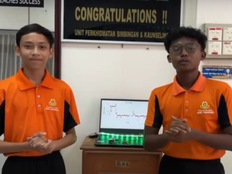
Student presents the Park Guard prototype near a parking area.

Park Guard

Malaysia

The Park Guard uses micro:bit to and ultrasonic sensors to monitor parking areas and alert authorities to unauthorized parking to increase public safety.
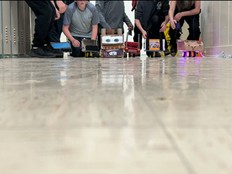
Students and teacher pose with the Guardians of Life prototype.
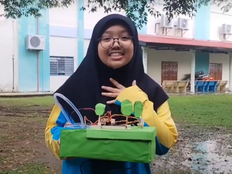
This project aims to increase accessibility and safety for people with blindness or low vision, using micro:bit boards to provide real-time updates on beach conditions via sound alerts.

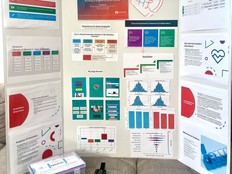
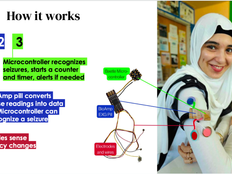
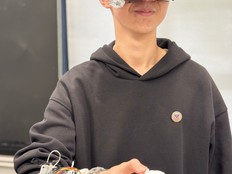
Poster board presentation & wearable device.

Healthy Littles

United States

Healthy Littles is an interactive platform that empowers kids to build lifelong habits through fun games, challenges, and personalized feedback based on their lifestyle data.

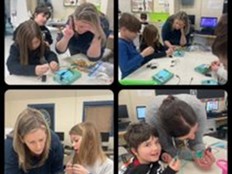
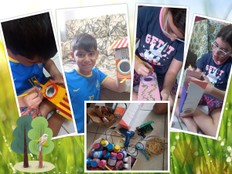
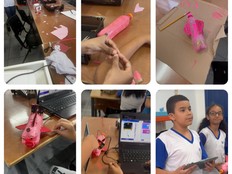
Collage of the birdhouse prototype creation process.

Birdhouse

Brazil

This project utilizes the micro:bit to attract birds to birdhouses by playing birdsongs.

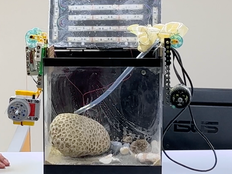
Photograph of the Smart Aquaculture prototype.

This project uses a micro:bit to sense light intensity and deploy a shade to cover coral.

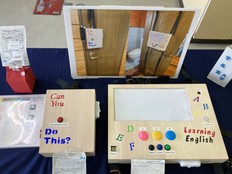
A photograph of the Learning English game device prototype.

This project utilizes the micro:bit to create a game device which supports English language learning.

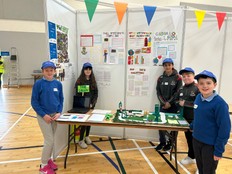
Students standing next to a prototype of The Green

The Green

Ireland

A project that utilizes the micro:bit as a step counter to improve student health.

Students standing with a prototype of The Pitch.

The Pitch

Ireland

A micro:bit project that detects moisture in the soil.

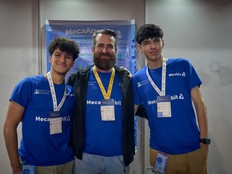
Students and teacher pose in front of a large sign for the MecaArm:bit.

A project driven to combat pollution, focusing on an essential issue: waste sorting.

Students holding up their micro:bits while working on the Hero of the Clean Sea project.

This project is a micro:bit game that teaches the importance of keeping the sea clean.

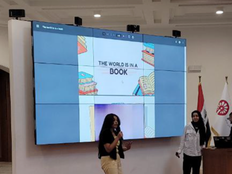
Students presenting The World is in a Book project.

A game integrating reading with interactive elements and rewards to enhance reading experience.

Students presenting their Smart Drying Rack project.

A project that uses the micro:bit to detect humidity and will turn on a fan for drying clothes automatically.
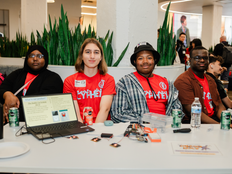
Students demonstrate how to use "RamonAQI".
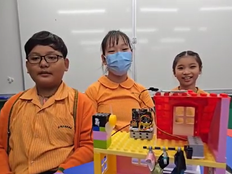
This project uses a micro:bit to monitor air quality.

Students present the Save Our Earth project.

A project that uses AI to classify recyclable materials, improving recycling efficiency and reducing environmental impact.

Students present the Predictive Maintenance project.

A micro:bit project that predicts equipment failures and schedule maintenance proactively, reducing costs and downtime.

Students pose with the Big Ideas, Small Solutions prototype.

This project uses a micro:bit to take in sea water from the beach and turn it into potable water for the community to use.

Students present the Resourceful Home prototype.

A micro:bit project aimed at storing rain and solar generated power while also alerting residents to possible problems within the home.

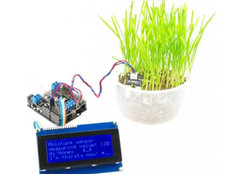
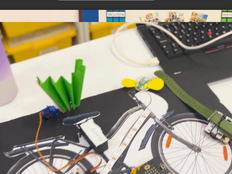
Image shows the prototype of the AM Blue Sensor and includes a plant connected to a micro:bit.

AM Blue Sensor

United States

A smart soil moisture sensor designed to conserve water by detecting optimal moisture levels for different types of plants like grass, trees, fruits, and vegetables—and automatically shutting off sprinklers when no more water is needed. Winner of Demo Day LA’s Niagara Cares Sustainability Award!

Students presenting the Bridge of Safety project.

A system to sense rising water levels and mitigate flood risks.

Students presenting the Eco Air prototype.

Eco Air

Malaysia

This project uses a micro:bit to detect dust particles in the air and alert residents to dangerous levels of dust.

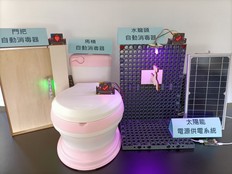
Students pose with their Evapotranspiration Project prototype.

This project uses micro:bits to simulate wind power, control lights, and monitor humidity in an evapotranspiration toilet.

Photograph of students and their teacher presenting the Alerted by the River! prototype.

This project uses the micro:bit to create an alert system that measures humidity and water depth levels near the riverbank.

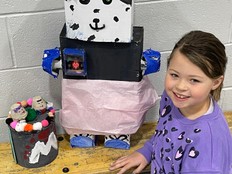
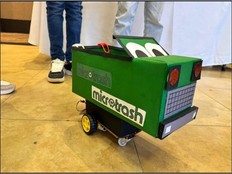
Team with the prototype.

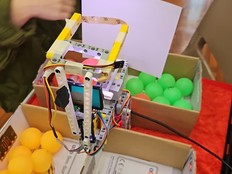
This project uses the micro:bit radio frequency feature to create a robot that monitors waste.

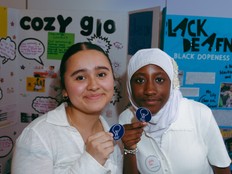
Two students posing in front of the cozy glo project board.

CozyGlo

United States

An adhesive add-on for cochlear implants that relieves discomfort for audibly impaired individuals who wear glasses. Featuring an integrated reading light, the solution provides comfort and accessibility in one easy-to-apply design. Winner of Demo Day NYC’s Needfinder Award!

Students pose with their Aquaponics Ship prototype.

Aquaponics Ship

United States

This project utilizes micro:bits to power propellers, simulated radar, navigation lights and and aquaponics system.

Students presenting the Smart Tunnel Lighting project.

This project monitors tunnels for vehicle motion and activates a light when motion is detected.

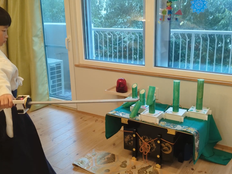
Student demonstrates the Bamboo Warriors prototype.

This project utilizes two micro:bits to create a sword cutting game.

A stuffed monkey on a prototype of the TrailBlazer mobility device climbing a set of stairs.

TrailBlazer

Hong Kong

TrailBlazer is a foldable and versatile mobility device designed to empower individuals with disabilities to engage with the outdoors more confidently.

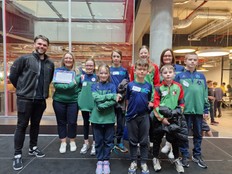
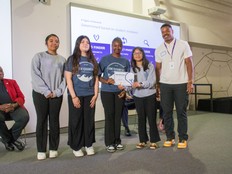
Students and their teachers posing with their certificate after presenting their project.

The Buddy:bit uses micro:bit to enable people to ask for help discreetly.

Students gather around the protection from weather disasters prototype.

This project uses micro:bits to detect soil moisture and automatically activate irrigation preventing the spread of fire during dry periods.

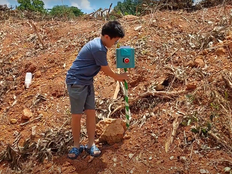
Student demonstrates the Terra Guard prototype.

Terra Guard

Malaysia

This project uses the micro:bit to for wildfire and landslide detection.

Students pose with the School cool - S(cool) prototype.

This project created a recycling machine and organic waste depositing bin.

Students presenting the green light project prototype.

A simple and educational system that uses Micro :bit to raise awareness about the conscious consumption of electricity and promote sustainable habits.

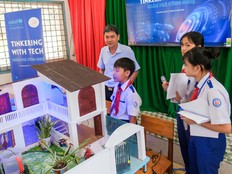
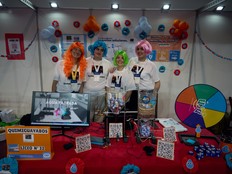
Students pose in front of a sign that says "Tinkering with Tech"

This bracelet helps children, especially girls, check their heart rate and emotional state.

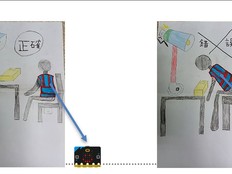
Student drawn poster showing how the Smart Desk Lamp prototype works.

This project encourages healthy posture by adjusting the light level when poor posture is detected.

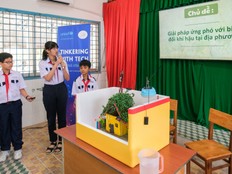
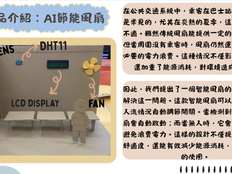
Students present the Smart Home, Smart Garden prototype.

This micro:bit project prototype uses light detection to conserve electricity and collects rainwater for a hydroponic smart garden.

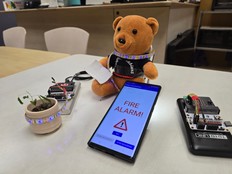
A Teddy bear and smart phone demonstrate how the "Wish to Hear the Sound" prototype works.

Wish to Hear the Sound is a micro:bit project that translates sound into vibration and light to improve quality of life for the hard of hearing.

Students stand next to a prototype of the stumble sensor.

This project creates a fall sensor using two micro:bits.